This is a beautiful bowl of emerald-green steamed vegetables with a lemon chickpea, green goddess sauce, toasted sunflower seeds, sundried tomatoes and pickled ginger over brown rice. This dish is super healthy and at least twice as delicious.
preparation time: 10 min Total time: 30 min
difficulty level: 1
recipe ID: PB89
cuisine region: Fusion
FeaturedLocal Products
You Will Need
knife
cutting board
medium pot
medium pan with lid
water
salt
pepper
Preparation
1
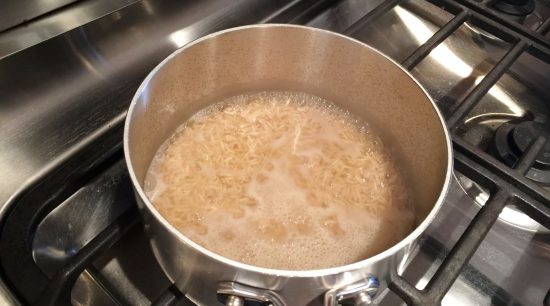
Prepare and cook the rice:In the sink, place the rice in a strainer and rinse it well. In a pot, add the brown rice blend, water (1 1/2 cup, 3 cups, 4 1/2 cups), salt (1/4 tsp, 1/2 tsp, 3/4 tsp) and pepper (1 pinch, 1/8 tsp, 1/4 tsp) and stir. Bring to a boil on high heat. Reduce the heat to low, cover and cook 20 minutes or until the water is absorbed and the rice is tender. Add the lemon chickpeas to the cooked rice. Cover, remove the pot from the heat and set aside.
2
Cut the Bok Choy:Wash and rinse all produce*. Cut the bok choy in half lenght wise, then cut each half in 3 segments length-wise. Ensure to have a piece of the core on each segment so the bok choy pieces don’t fall apart*.
Note: If cooking for kids, it is recommended to remove the core so the bok choy pieces are smaller.
*You can wash produce by rincing them in water with a bit of lemon juice.
3
Cook the vegetables: While the rice is cooking, add 2 tbsp to 1/4 cup of water in a pan. Turn the heat on high and add the broccoli. Cover and steam about 4 minutes. Add the bok choy, cover and cook an additional 1 minute.
4
Prepare the garnish & Assemble:Cut the sun dried tomatoes in small 1/2 cm. In individual bowls place the rice, lemon chickpeas, cooked bok choy and broccoli. Dress with green goddess sauce and garnish with pickled ginger, sun dried tomatoes and sunflower seeds.
Cooking for kids? Adding too many new things to your child’s plate can feel overwhelming. The key to introducing new foods is to keep portion sizes small.
Making this recipe with kids? Ask the child to help by completing step 2 & 4
Cut the Bok Choy
Prepare the Garnish & Assemble
Health Fact
Regina Naturopathic
Dr. Craig Herrington, Naturopath
BOK CHOY 100 grams of bok choy contains only 12 calories, yet packs 75% of your required daily vitamin C.
Recommended Wine Pairing
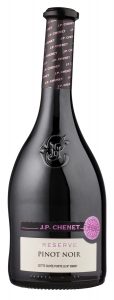
JP CHENET RESERVE PINOT NOIR Raspberry and cherry aromas with a touch of spice. A red berry flavour with a medium finish. Region: France Alcohol: 12% Price (SLGA): $15.04
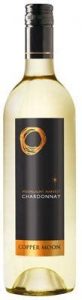
COPPER MOON CHARDONNAY A lemon yellow coloured wine with aromas of ripe apple, pear, pineapple and a touch of floral. It is a soft, medium-bodied wine with flavours of ripe stone fruit and a touch of citrus on the finish. Region: British Columbia, Canada Colour: White Alcohol: 13% Price (SLGA): $11.13
Tags
Note: We cannot guarantee any dish is allergen free.
This is a beautiful bowl of lemon pepper chicken, emerald-green steamed vegetables with a green goddess sauce, toasted sunflower seeds, sundried tomatoes and pickled ginger over brown rice. This dish is super healthy and at least twice as delicious.
preparation time: 10 min Total time: 30 min
difficulty level: 1
recipe ID: CF89
cuisine region: Fusion
FeaturedLocal Products
You Will Need
knife
cutting board
medium pot
medium pan with lid
water
salt
pepper
Preparation
1
Prepare and cook the rice:In the sink, place the rice in a strainer and rinse it well. In a pot, add the brown rice blend, water (1 1/2 cup, 3 cups, 4 1/2 cups), salt (1/4 tsp, 1/2 tsp, 3/4 tsp) and pepper (1 pinch, 1/8 tsp, 1/4 tsp) and stir. Bring to a boil on high heat. Reduce the heat to low, cover and cook 20 minutes or until the water is absorbed and the rice is tender. Remove the pot from the heat and set aside.
2
Cook the Chicken: Cut the lemon chicken in 1/2cm slices. In a large pan, add the oil (1/2 tbs, 1 tbs, 1 1/2 tbs), the lemonchicken slices. Cook on medium heat until fully cooked – about 7 minutes.
Place the cooked chicken in a bowl and set aside.
Note: Ensure the chicken cooked to a minimal internal temperature of 165F.
3
Cut the Bok Choy:Wash and rinse all produce*. Cut the bok choy in half lenght wise, then cut each half in 3 segments length-wise. Ensure to have a piece of the core on each segment so the bok choy pieces don’t fall apart*.
Note: If cooking for kids, it is recommended to remove the core so the bok choy pieces are smaller.
*You can wash produce by rincing them in water with a bit of lemon juice.
4
Cook the vegetables: While the rice is cooking, in the pan you cooked the chicken, add 2 tbsp to 1/4 cup of water. Turn the heat on high and add the broccoli. Cover and steam about 4 minutes. Add the bok choy, cover and cook an additional 1 minute.
5
Prepare the Garnish & Assemble:Cut the sun dried tomatoes in small 1/2 cm. In individual bowls place the rice, cooked bok choy, broccoli and chicken. Dress with green goddess sauce and garnish with pickled ginger, sun dried tomatoes and sunflower seeds.
Cooking for kids? Adding too many new things to your child’s plate can feel overwhelming. The key to introducing new foods is to keep portion sizes small.
Making this recipe with kids? Ask the child to help by completing step 2 & 5.
Cut the Bok Choy
Prepare the Garnish and Assemble
Health Fact
Regina Naturopathic
Dr. Craig Herrington, Naturopath
BOK CHOY 100 grams of bok choy contains only 12 calories, yet packs 75% of your required daily vitamin C.
Recommended Wine Pairing
JP CHENET RESERVE PINOT NOIR Raspberry and cherry aromas with a touch of spice. A red berry flavour with a medium finish. Region: France Alcohol: 12% Price (SLGA): $15.04
COPPER MOON CHARDONNAY A lemon yellow coloured wine with aromas of ripe apple, pear, pineapple and a touch of floral. It is a soft, medium-bodied wine with flavours of ripe stone fruit and a touch of citrus on the finish. Region: British Columbia, Canada Colour: White Alcohol: 13% Price (SLGA): $11.13
Tags
Note: We cannot guarantee any dish is allergen free.
As a society, we are becoming more aware of our environmental foot print and are spending more energy on improving waste management. When thinking of waste management a few method come to mind including: reusing, composting, upcycling and recycling. Many items that use to find their way in landfill can now avoid it. Some of these items include: vegetable peels, batteries and bottles. This contributes to reducing garbage pollution.
Paper is a significant portion of waste and it can be composted or recycled. Paper is responsible for 16% of landfill waste. Recycling or composting are both an improvement on throwing paper away. It is better to compost or recycle paper?
First let’s define both processes.
Composting
Composting helps put organic waste to an alternative use. Items that are usually composted include grass cuttings, shredded leaves, fruit and coffee grounds. These products are combined in specific proportion with water and air to start the decomposition process. The compost that is formed is helpful in growing plants.
Recycling
Recycling is the manufacturing of products that could of been discarded in a landfill. Items are recycled by being converted into items that can be used again.
Recycling and compositing each have pros and cons. Let’s examine each method to identify which is better overall.
Recycling
Pros
bring paper material back in the production stream which reduces the need for new trees
recycling reduces the need to produce new paper. One piece of A4 paper requires on average 5 liters water to produce.
recycling uses resources but less than to produce new paper
Cons
the process of recycling paper produces a lot of waste.
harmful chemicals are used in the recycling process
the recycling process pollutes water
encourage consumption of paper. Recycled paper may wrongfully appear to have minimal impacts on the environment.
Composting
Pros
composting instead of recycling paper could completely eliminate the resources needed to break it down and manufacture it back into fresh paper.
no recycling bins, no trucks to carry it to the recycling plant, no machinery or sludge or chemical processing agents. Just paper breaking down into its component parts and then fertilizing your garden next year, helping your tomatoes grow.
Cons
composting paper removes it from the paper production stream
on a large scale, composting paper rather than recycling it, may cause more harm than good.
Soiled paper
When paper is soiled in any way it cannot be recycled. Examples of soiled paper include art project and pizza box. Including soiled paper may impact an entire batch of recycled paper. It is recommended to tear soiled paper in small pieces and to add it to compost pile.
You probably heard of sugar shacking, this mysterious springtime activity Canadians from Eastern provinces partake in every year. If you ever wondered what a Cabane à Sucre (sugar shack) is all about, what really happens at these festive gatherings, and how to experience it DIY, read on.
The romance and nostalgia of sugar shacks is unmistakable. Traditional feasts, wood fires, maple taffy on fresh snow, sleigh rides, and energetic folk music are woven into the fabric of a northeastern Canadian springtime.When the sugary sap begins to flow during le temps des sucres, friends and families head to their local sugar shack for a day of family-friendly activities and a feast of maple-soaked delicacies designed for sharing at long communal tables.
Did you know?
Cabane à sucre (sugar shack) is a small building built in a maple grove where maple products like maple syrup, maple butter and maple taffy are prepared.
Maple Taffy
Making your own maple taffy is super easy, fun and DELICIOUS!
What do I need?
maple syrup (about 1/2 cup for 4 people)
candy thermometer
metal spoon
pot
popscicle sticks
snow
Preparation
Place the maple syrup in a pot on medium heat. Stirting constently with a metal spoon, bring to 238F.
As soon as the maple syrup reaches 238F, remove from the heat – the syrup will be bubbly.
Spoon the hot syrup in lines on the snow. Using a popscicle stick, turn the taffy on the stick.
An Indigenous tradition lives on
Settlers observed Indigenous making maple sugar every spring that would be used to get them through the tough winter months. The sugar was then broken down into slices or shaved directly over dishes.
The sugar shacks and maple syrup are of great importance in the cultural identity of Canadiams, it is to the Indigenous.
An Iroquois legend describes the piercing of maple bark and the use of its sweet sap to cook game, which is said to be at the origin of the culinary tradition of cooking with maple. Maple syrup is so central to traditions, the Ojibway also call the sugar season “maple moon” or “sugar month”, since it lasts 4 to 6 weeks, from March to April.
In the 17th century, the French, who began to have permanent installations in North America, in turn began to collect maple water.
The romance and nostalgia of sugar shacks is unmistakable. Traditional feasts, wood fires, maple taffy on fresh snow, sleigh rides, and energetic folk music are woven into the fabric of a northeastern Canadian springtime.When the sugary sap begins to flow during le temps des sucres, friends and families head to their local sugar shack for a day of family-friendly activities and a feast of maple-soaked delicacies designed for sharing at long communal tables.
Bring the cabane à sucre home
Come on a journey with us as we bring the cabane à sucre home with rich, indulgent sugar shack feast recipes.
Did you know?
Canada accounts for 72% of the globe’s maple syrup output. Québec produces 91% of Canadian maple syrup.
The traditional cabane à sucre meal includes pea soup, thick-cut ham, sausage links, bacon, omelet, fried pork rinds called “oreilles de crisse,” roasted potatoes, pickles, pickled beets, baked beans, fresh-baked bread and, most importantly, lots of maple syrup.
Maple syrup is central to sugar shack meals. It’s basically the law: Everything — we mean everything — on the table must be doused in sweet sticky maple syrup. That includes all the savoury items! Every dish either contains or is bathed in maple syrup: thick-cut ham, baked beans, sausages links, omelet, pancakes… Savoury dishes like: Pea soup and bacon rinds (colourfully known as oreilles de crisses) balance out this sweet extravagance. To cover your bases, you should probably stock up on a few bottles of maple syrup. Dessert is the pièce de résistance of this feast. Traditional desserts include maple sugar pie, pouding chômeur “poor man’s pudding” — a Depression-era sweet treat served warm and topped with vanilla ice cream. At the end of the meal, you always have a little room for maple taffy, poured warm on fresh snow.
Let’s break down the 3 main categories of food required for a truly traditional sugar shack meal.
Breakfast foods
Sugar shacks feature plates upon plates of everyone’s favourite breakfast foods.
Don’t forget to keep your guests happy with warm coffee and juices.
Salty foods
What goes better with sweet than salty? Nothing, that’s what! Supplement your breakfast spread with a few salty dishes. The traditional savoury dishes include:
La crème de la crème of any sugar shack experience is none-other than maple taffy “tire d’érable”. Kids and adults go crazy for the sticky, chilled delight that is maple taffy. No worries, it’s a lot easier to make than it looks!
What to do other than eating?
Other than eating, what creates a traditional sugar shack experience? That answer is simple… music! Nothing brings us to the romantic world of traditional shacks like folklore Quebec music. We created a spotify playlist to share with you the joyful soul of the Cabane à sucre tradition.
In Québec, many sugar shacks offer horse sleigh rides to visit the property, walk or hike in the woods, traditional music and dancing, petting zoos and snowshoeing.
When we host our sugar shack meals we love to go for a walk around Wascana lake and dancing to traditional music.
Did you know?
Canada produced 13.2 million gallons of maple syrup in 2019 which contributes $750 million to Canada’s GDP
Breakfast is the meal most often skipped by Canadians. In a cross Canada study, the most common reason to skip it is the lack of time.
Many under-estimate the value of a balanced breakfast. With the rapid rythm of life and the growing popularity of intermittent fasting, breakfast is often not given the attention it deserves or is completely skipped.
Most health professionals agree: Breakfast is foundational to a healthy lifestyle.
Whole grains, protein, fruits and vegetables, and good fats are all components of a balanced breakfast. No one should face the day without a good balanced breakfast! Here are six reasons to fully enjoy breakfast every morning.
Breakfast is an easy meal that can be prepared and eaten in a few minutes and provide many hours of productivity.
6 unexpected reasons you should eat breakfast
1. Support brain health
Carbohydrates are essential for healthy brain functioning. A number of studies show kids who eat breakfast tend to have improved cognitive skills and perform better at school. Eating a balanced high-fiber breakfast, promotes memory and concentration levels, as well as improve mood and lower stress. Who doesn’t want that? There is no better time than breakfast time to replenish our carbohydrates. High-fiber carbohydrates are found in oats, whole grain bread and fruits.
2. Support Healthy Weight
Sometimes we may be tempted to skip breakfast to avoid extra calories. Skipping breakfast to lose a few pounds is a bad idea. Eating breakfast tells our body that we are not in starvation mode and will eat again during the day. Breakfast gets our metabolism started and helps us burn more calories throughout the day.
Studies have shown that eating a high-fiber, nutrient-sense breakfast greatly decreases hunger and cravings throughout the day.There is a correlation between skipping breakfast and having difficulty maintaining a healthy weight Studies even show this correlation with children. Children who skip breakfast tend to have a higher body Mass Index (BMI) and are up to 200% more likely to be overweight than children who eat breakfast regularly. Eating three balanced meals a day contributes to maintaining a healthy weight.
3. Family time
We often discuss the importance of eating dinner as a family. Breakfast is also a wonderful opportunity to connect as a family around the table. Are you ready for your volley ball game? What are you excited for today? We can enjoy the early morning hours to connect and spend quality time with our family.
Are you thinking you won’t have time? No excuses! Let’s set the alarm a few minutes early and create beautiful memories with our loved ones.
4. Skip that 2 pm feeling
Skipping breakfast has significant impact on the quality of our day. Are you familiar with that 2 pm feeling? There a good chance you can notice a correlation between skipping or eating an unbalanced breakfast and the 2 pm feeling.
Balanced breakfast are filled with fibers which contribute to stabilize blood sugar. Sugar drops cause a number of symptoms: difficulty concentrating, head aches, sugar cravings, and low patience. Test it out! Tomorrow morning, treat yourself to a balanced breakfast and see how you feel throughout the day.
5. Reduce snacking
The 2pm feeling is often associated with cravings. The lack of nutrient provided by a balanced breakfast always catches up with us. By skipping breakfast, it is highly likely that you will have cravings for chips or cake during the afternoon or evening.
To prevent these cravings, ensure to have a balanced breakfast high in fiber and proteins. When you have a hectic morning, plan a super quick breakfast you can eat on your way to work or at your desk. An example of super quick breakfast is overnight oats. You make them a few days ahead to just grab it and go in the morning. You will find a FREE breakfast recipe pdf at the bottom of this blog which includes a number of overnight oat recipes.
6. Develop healthy habits
Most health professional recommend to eat more fruits and vegetables. Breakfast is a good opportunity to add fruits and vegetables to our diet and to support a healthy life style.
When we have time to treat ourselves with a nice breakfast we can spend time with our loved ones preparing a more elaborated breakfast filled with vegetables and fruits. Some examples include: Omelettes, frittatas, blueberry pancakes, and breakfast burritos.
FREE breakfast recipe book
Are you sick and tired of the 2pm feeling?
Do you want to optimize your productivity throughout the day?
We got your back! Here are super easy and quick breakfasts that can be assembled a few days ahead. These breakfasts are so easy and delicious you won’t even want to skip breakfast again. Download this FREE pdf to learn how easy your next breakfast can be.
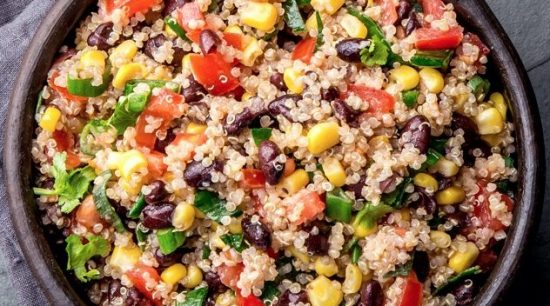
This beautiful sunshine filled bowl is the perfect supper! This Mexican grain bowl is filled with black beans, mixed grains, corn, tomatoes, lettuce, salsa and cilantro. With over 20gr protein and over 15gr of fiber, it will keep you satisfied for hours. It’s super easy and delicious!
preparation time: 10 min Total time: 30 min
difficulty level: 1
recipe ID: PB88
cuisine region: mediterranean
FeaturedLocal Products
You Will Need
knife
cutting board
medium pot
strainer
water
salt
Preparation
1
Prepare and cook the grains, black beans & corn: Add water (4 2/3 cups, 9 1/3 cups, 14 cups) to a medium pot and bring to a boil. Place the mixed grains in a strainer and rinse well. Once water is boiling, add the mixed grains and salt (1/2 tsp, 1 tsp, 1 1/2 tsp) to the water. Stir to combine, cover, and reduce the heat to LOW and simmer for 20 mins. During the last 2 minutes of cooking, add the corn and black beans.
Turn off the heat. Let stand covered about 5 minutes. Drain the excess liquid.
2
Prepare the vegetables: Wash and rinse all produce. While the mixed grains are cooking, cut the tomatoes in about 1 cm slices and separate the leaves of the cilantro.
3
Assemble & Serve: In individual bowls place the cooked mixed grains, corn, lettuce, black beans, and tomatoes Garnish with cilantro and serve with salsa.
Note: this salad is also delicious the following day. Add the salsa just before service to ensure the vegetables stay crunchy.
Bon Appétit!
Ingredients
Included
2 portions
4 portions
mixed grains
3/4 cup
1 1/2 cup
black bean & corn
1 1/4 cup
2 1/2 cup
tomato
2
4
lettuce
60 gr
120 gr
salsa
1/3 cup
2/3 cup
cilantro
3 gr
6 gr
water*
4 cup
8 cup
salt*
1/2 tsp
1 tsp
Dr. Herrington'sHealth Fact
Regina Naturopathic
CILANTRO Love it or hate it? The reason is probably genetic! There is a gene responsible for how the brain perceives the taste of cilantro. For some it’s a pleasant lemony flavor and for others it has a soapy smell and taste. If you are a ‘soap taster’ try crushing the leaves as this creates a milder flavor.
Cooking with Kids
Cooking for kids? Feel free to slowly introduce new ingredients to children and offercing sauces they like with new ingredients. For example, this dish is served with salsa.
Making this recipe with kids? Ask the child to help by completing step 4.
Assemble & serve
Recommended Wine Pairing
JP CHENET RESERVE PINOT NOIR Raspberry and cherry aromas with a touch of spice. A red berry flavour with a medium finish. Region: France Alcohol: 12% Price (SLGA): $15.04
COPPER MOON CHARDONNAY A lemon yellow coloured wine with aromas of ripe apple, pear, pineapple and a touch of floral. It is a soft, medium-bodied wine with flavours of ripe stone fruit and a touch of citrus on the finish. Region: British Columbia, Canada Colour: White Alcohol: 13% Price (SLGA): $11.13
Tags
Note: We cannot guarantee any dish is allergen free.
This beautiful sunshine filled bowl is the perfect supper! This Mexican adobo beef bowl is filled with seared beef steaks, mixed grains, corn, tomatoes, lettuce, salsa and cilantro. This recipe is packed with over 36gr protein which will keep you satisfied for hours. It’s super easy and delicious!
preparation time: 10 min Total time: 30 min
difficulty level: 1
recipe ID: CF88
cuisine region: mediterranean
FeaturedLocal Products
You Will Need
knife
cutting board
medium pot
strainer
BBQ or pan
water
salt
Preparation
1
Heat the BBQ. Prepare and cook the grains, black beans & corn:Heat up the bbq to 400F* for the steak.
Add water (4 cups, 8 cups, 12 cups) to a medium pot and bring to a boil. Place the mixed grains in a strainer and rinse well. Once water is boiling, add the mixed grains and salt (1/2 tsp, 1 tsp, 1 1/2 tsp) to the water. Stir to combine, cover, reduce heat to LOW and simmer for 20 mins. During the last 2 minutes of cooking, add the corn and black beans.
Turn off the heat. Let stand covered for about 5 minutes. Drain the excess liquid.
*Note: If you can’t cook the beef on the BBQ, it is recommended to cook the steak in a hot, lightly oiled pan.
2
Prepare the vegetables: Wash and rinse all produce. While the mixed grains are cooking, cut the tomatoes in about 1 cm slices and separate the leaves of the cilantro.
3
Cook the Adobo Beef Sirloin: When the bbq is hot, cook the adobo beef sirloin until desired temperature. For medium, cook about 4-5 minutes per side. Remove the steak from bbq and set aside on a plate. Cover with foil and let rest for a few minutes before slicing. This will ensure the steak stays juicy.
Note: Ensure the Beef steaks reach a minimal internal temperature of 130F.
Remove Steak from the grill at the following temperature based on desired doneness: Rare: 130 to 135°F Medium Rare: 140°F Medium: 155°F Well Done: 165°F
4
Assemble & Serve: In individual bowls place the mixed grains, corn, lettuce, beef steak, and tomato. Garnish with cilantro and serve with salsa.
Note: this salad is also delicious the following day. Add the salsa just before service to ensure the vegetables stay crunchy.
Bon Appétit!
Ingredients
included
2 portions
4 portions
6 portions
adobo beef steak
200 gr
400 gr
600 gr
mixed grains
2/3 cup
1 1/3 cup
2 cups
corn
40 gr
80 gr
160 gr
tomato
100 gr
200 gr
300 gr
lettuce
60 gr
120 gr
180 gr
salsa
1/3 cup
2/3 cup
1 cup
cilantro
3 gr
6 gr
9 gr
Dr. Herrington'sHealth Fact
Regina Naturopathic
CILANTRO Love it or hate it? The reason is probably genetic! There is a gene responsible for how the brain perceives the taste of cilantro. For some it’s a pleasant lemony flavor and for others it has a soapy smell and taste. If you are a ‘soap taster’ try crushing the leaves as this creates a milder flavor.
Cooking with Kids
Cooking for kids? Feel free to slowly introduce new ingredients to children and offercing sauces they like with new ingredients. For example, this dish is served with salsa.
Making this recipe with kids? Ask the child to help by completing step 4.
Assemble & serve
Recommended Wine Pairing
JP CHENET RESERVE PINOT NOIR Raspberry and cherry aromas with a touch of spice. A red berry flavour with a medium finish. Region: France Alcohol: 12% Price (SLGA): $15.04
COPPER MOON CHARDONNAY A lemon yellow coloured wine with aromas of ripe apple, pear, pineapple and a touch of floral. It is a soft, medium-bodied wine with flavours of ripe stone fruit and a touch of citrus on the finish. Region: British Columbia, Canada Colour: White Alcohol: 13% Price (SLGA): $11.13
Tags
Note: We cannot guarantee any dish is allergen free.
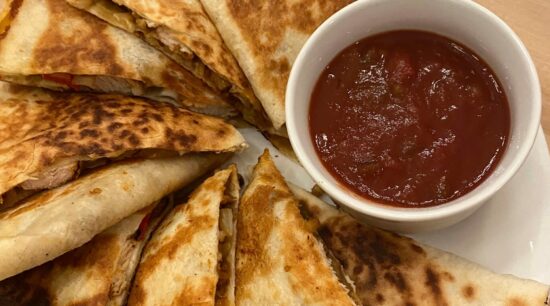
Making a great quesadilla, is easy! Take this quesadilla recipe, it’s golden and crispy on the outside and filled with adobo chicken, melted cheese, roasted bell peppers and roasted onion. The finishing touches? Spoonfuls of delicious tomato salsa. It’s a classic…made just a little bit better.
preparation time: 15 min Total time: 20 min
difficulty level: 1
recipe ID: CF87
cuisine region: Mexican
Featured Saskatchewan Products
You will need
knife
lined baking sheet
cutting board
salt
oil
Preparation
1
Setup & cut the vegetables:Turn on the oven to 400F. Wash and dry the vegetables.
Thinly slice the bell peppers and onion. Place the vegetables on a lined baking sheet. Drizzle them with oil and season with salt and adobo spice.
2
Cook the vegetables & chicken:Cook the vegetables for 5 minutes.
Slice the adobochicken. Drizzle the adobo chicken with oil and season with salt & pepper.
Add the adobochicken slices to the vegetables and cook an additional 10 minutes.
3
Assemble the quesadilla: Place a tortilla in an oiled pan on medium heat.
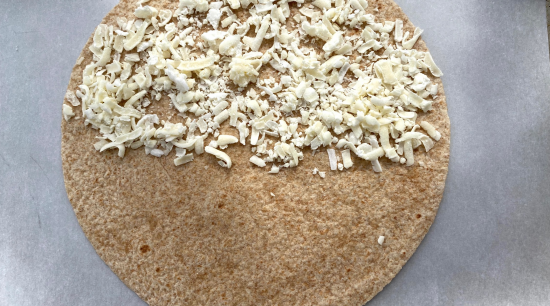
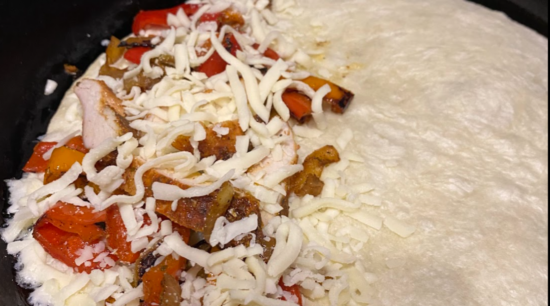
Spread mozzarella on half a tortilla. Top with the vegetablesandchicken. Top with mozzarella. Fold the tortilla over the filling – creating a half circle quesadilla.
4
Cook the quesadillas: Cook for 1 to 2 minutes. Flip and cook an additional 1 to 2 minutes. Watch carefully to ensure they don’t burn.
Slice the quesadillas in wedges. Repeat with each tortilla.
5
Cut & serve the quesadilla:Separate the cilantroleaves. Serve the quasdilla withcilantro and salsa.
Ingredients
Included
2 portions
4 portions
6 portions
adobo chicken
220 gr
440 gr
660 gr
onion
1 small
1 medium
2 small
bell pepper
1
1
2
adobo spice
1 tsp
2 tsp
3 tsp
mozarella
150 gr
300 gr
450 gr
tortilla
3
6
9
salsa
1/2 cup
1 cup
1 1/2 cup
cilantro
3gr
6gr
9gr
Health Fact
Regina Naturopathic
Dr. Craig Herrington, Nathuropath
BELL PEPPER Bell peppers are high in phenolics and vitamin C which can help prevent cholesterol oxidation (damage).
Cooking with Kids
Beyond Baby Nutrition
Lacey Engel, Registered Dietician
Yum foods Serve ”Yum” foods with new foods. When your child sees food they recognize it may entice them to explore other new foods. For example, this dish may be served with salsa.
Cooking for kids? Feel free to slowly introduce new ingredients to children.
Making this recipe with kids? Ask the child to help by completing step 4 and 5.
Assemble to Quesadilla
Prepare the toppings
Wine Pairings
STERLING VINTNER’S PINOT NOIR Deep ruby colour; red cherry, earthy and vanilla aromas; light to medium bodied, dry; raspberry and cherry flavours with a nice touch of spice on the finish Region: California Colour: Red Alcohol: 13.5% Price (SLGA): $14.62
Deinhard green label Riesling Pale straw colour; apple, melon and citrus with mineral notes on the nose; soft, off-dry wine with low alcohol and fruity flavours Region: Germany Colour: White Alcohol: 10.0% Price (SLGA): $14.02
Tags
Note: We cannot guarantee any dish is allergen free.
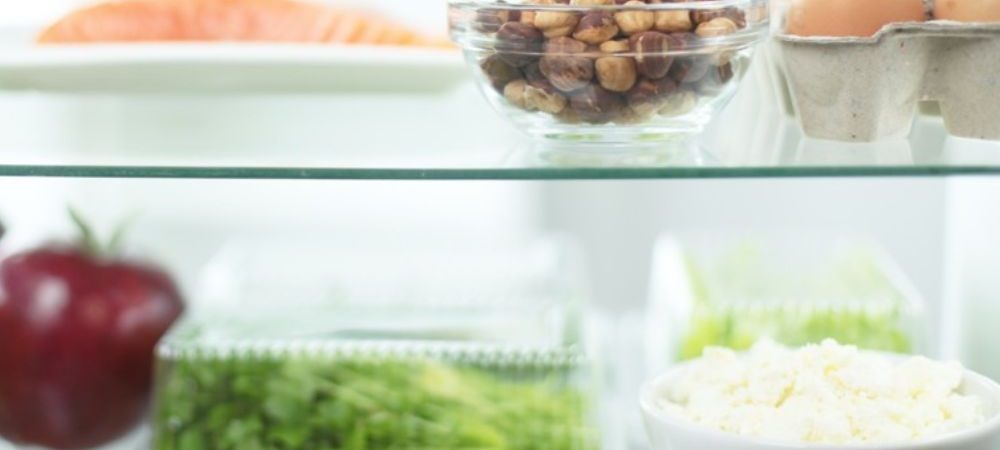
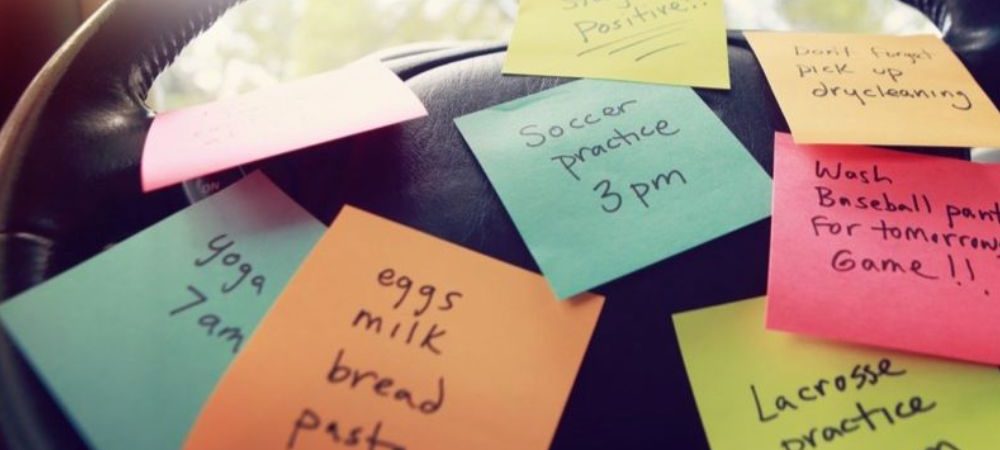
Cette question familière peut vous procurer un sentiment d’exaspération car elle nous oblige à nous creuser la tête. En effet, l’effort requis pour préparer un repas à la maison est souvent sous-estimé.
Nous connaissons ce sentiment de dépassement qui accompagne la planification des repas. Après une journée de travail, le poids de la préparation de repas nourrissants est de plus lourd à porter. Nous avons donc cherché une solution qui nous permettrait d’avoir accès à des produits santé et locaux. Cependant, nous avons rapidement réalisé que cette option n’était pas disponible. C’est pour cette raison que nous avons créé ZestyKits.
Pourquoi la préparation des repas exige autant de temps ?
L’examen du travail de planification qui est requis pour cuisiner un repas nous aide à avoir une meilleure compréhension et une appréciation du travail requis pour servir un repas cuisiné à la maison.
Cette liste présente les 10 questions que l’on se demande régulièrement lorsque nous cuisinons et nous aide à comprendre comment la charge de travail reliée à la réflexion est sous-estimée.
La lecture de cette liste vous permet de réaliser…. La tâche à accomplir est beaucoup plus que cuisiner.
10 questions que l’on se demande avant de cuisiner
Nous pensons souvent que cuisiner se résume à couper des aliments et à les mélanger ensemble. Or, cuisiner requière des efforts additionnels qui sont souvent ignorés.
Cette liste a pour but de vous aider à devenir conscient des nombreuses questions que l’on se pose avant de cuisiner et vous permet d’avoir une image visuelle de la raison pour laquelle l’on peut se sentir dépassé par l’idée de mettre des plats sur la table.
Qui mange ?
Comment ont-ils faim ?
Qu’est-ce qu’ils ont envie de manger ?
Est-ce qu’il y a des allergies ou des intolérances alimentaires ?
Les ingrédients
4. Qu’est-ce qu’il y a dans le réfrigérateur ? Quelle quantité ai-je besoin ? 5. Quels ingrédients sont sur le point d’être périmés ? 6. Quelles recettes puis-je faire avec les ingrédients que je possède ? 7. Est-ce que je veux avoir des restants ? Si oui, combien de portions ai-je besoin ? 8. Qu’est-ce que j’ai besoin d’acheter ?
Le coût
9. Combien d’argent je désire dépenser ?
Le temps
10. Combien de temps j’ai dans mon horaire pour acheter, cuisiner et nettoyer ?
La vie peut être compliqué mais le souper n’a pas besoin de l’être.
N’est-ce pas incroyable le nombre de questions que nous pouvons nous demander quotidiennement avant même de commencer à cuisiner ? Ne soyez donc pas étonné de ressentir ce sentiment de découragement lorsque vous entendez la question « Qu’est-ce qu’on mange pour souper ? ». Ne vous étonnez donc pas d’être tenté par la suite de vouloir commander des repas cuisinés plus souvent.
Nous sommes ici pour vous faire savoir qu’il y a une autre option disponible. ZestyKits vous enlève un poids sur les épaules et vous aide à alléger votre charge mentale. Consulter nos plans de repas à base de plantes qui sont non seulement délicieux mais aussi facile à exécuter.
La vie peut être compliqué mais le souper n’a pas besoin de l’être.
Making a great quesadilla, is easy! Take this quesadilla recipe, it’s golden and crispy on the outside and filled with spiced tomato lentils & brown rice, melted cheese, roasted bell peppers and roasted onion. The finishing touches? Spoonfuls of delicious tomato salsa. It’s a classic…made just a little bit better.
preparation time: 15 min Total time: 40 min
difficulty level: 1
recipe ID: PB87
cuisine region: Mexican
Featured Saskatchewan farmers and producers
You will need
knife
medium pot with lid
lined baking sheet
cutting board
strainer
water
salt
oil
Preparation
1
Start the rice & lentils:Preheat the oven to 400F.Strain the brown rice & lentils. In a pot, add thebrown rice & lentils, adobo tomato sauce, 3/4 cup(2P), 1 1/2 cup(4P), 2 1/4 cup(6P) of water and 1/4 tsp(2P), 1/2 tsp(4P), 3/4 tsp(6P) of salt, stir.
2
Cook the rice & lentils:Bring to a boil on high heat. Reduce the heat to low, cover and simmer for 30 minutes or until the water is absorbed. Set aside.
3
Prepare the vegetables: Wash and dry the vegetables.
Thinly slice the bell peppers and onion. Place the vegetables on a lined baking sheet. Drizzle them with oil and season with salt and adobo spice. Cook in thefor 15 minutes.
4
Assemble the quesadilla: Place a tortilla in an oiled pan on medium heat.
Spread mozzarella on half the tortillas. Top with the vegetablesandbrown rice & lentil mixture. Top with mozzarella. Fold the tortilla over the filling – creating a half circle quesadilla.
5
Bake the quesadillas:Cook for 1 to 2 minutes. Flip and cook an additional 1 to 2 minutes. Watch carefully to ensure they don’t burn.
Slice the quesadillas in wedges. Repeat with each tortilla.
6
Cut & serve the quesadilla:Separate the cilantroleaves. Serve the quasdilla withcilantro and salsa.
Ingredients
Included
2 portions
4 portions
6 portions
adobo tomato sauce
1/2 cup
1 cup
1 1/2 cup
lentils & brown rice
1/2 cup
1 cup
1 1/2 cup
onion
1 small
1 medium
2 small
bell pepper
1
1
2
adobo spice
1 tsp
2 tsp
3 tsp
mozarella
150 gr
300 gr
450 gr
tortilla
3
6
9
salsa
1/2 cup
1 cup
1 1/2 cup
cilantro
3gr
6gr
9gr
Health Fact
Regina Naturopathic
Dr. Craig Herrington, Nathuropath
BELL PEPPER Bell peppers are high in phenolics and vitamin C which can help prevent cholesterol oxidation (damage).
Cooking with Kids
Beyond Baby Nutrition
Lacey Engel, Registered Dietician
Yum foods Serve ”Yum” foods with new foods. When your child sees food they recognize it may entice them to explore other new foods. For example, this dish may be served with salsa.
Cooking for kids? Feel free to slowly introduce new ingredients to children.
Making this recipe with kids? Ask the child to help by completing step 4 and 5.
Assemble to Quesadilla
Prepare the toppings
Wine Pairings
STERLING VINTNER’S PINOT NOIR Deep ruby colour; red cherry, earthy and vanilla aromas; light to medium bodied, dry; raspberry and cherry flavours with a nice touch of spice on the finish Region: California Colour: Red Alcohol: 13.5% Price (SLGA): $14.62
Deinhard green label Riesling Pale straw colour; apple, melon and citrus with mineral notes on the nose; soft, off-dry wine with low alcohol and fruity flavours Region: Germany Colour: White Alcohol: 10.0% Price (SLGA): $14.02
Tags
Note: We cannot guarantee any dish is allergen free.